How to Fix Uneven Cooling in a Two-Story Whittier Home
A two-story home can feel comfortable downstairs while the upper floor stays several degrees warmer. In Torrance & Whittier, strong afternoon sun and heat that collects near the roof can make that temperature gap especially noticeable during summer. Homeowners searching for how to fix uneven cooling in a two-story Whittier home should begin with a professional evaluation because several parts of the HVAC system may contribute to the problem.
Uneven temperatures do not always mean the air conditioner is too small. Airflow restrictions, duct problems, thermostat placement, insulation gaps, and system wear can all affect how much cooled air reaches each level. Finding the actual cause helps prevent unnecessary equipment changes and gives the home a more dependable path toward balanced comfort.
Why Upstairs Rooms Tend to Feel Warmer
Warm air naturally rises, while the second floor also receives heat through the roof, attic, and sun-exposed walls. Bedrooms at the end of long duct runs may receive less airflow than rooms closer to the indoor HVAC equipment. Closed interior doors can further limit air circulation and make individual rooms feel stuffy.
A single thermostat on the first floor may also satisfy the cooling cycle before the upstairs reaches the preferred temperature. Once the downstairs area hits the set point, the system shuts off even though the second-floor rooms still need more cooling. This common setup can create a repeating comfort difference throughout the day.
How to Fix Uneven Cooling in a Two-Story Whittier Home
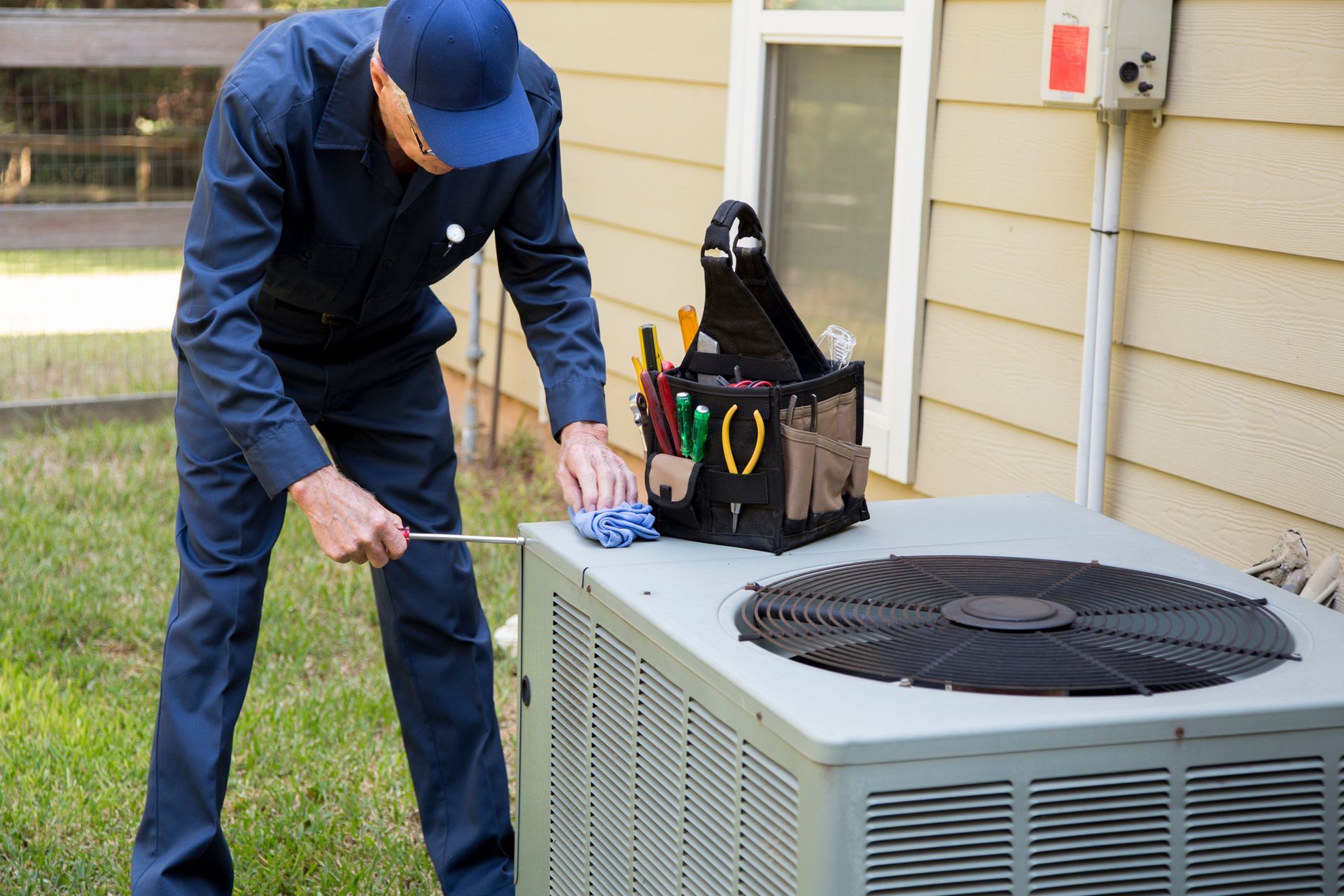
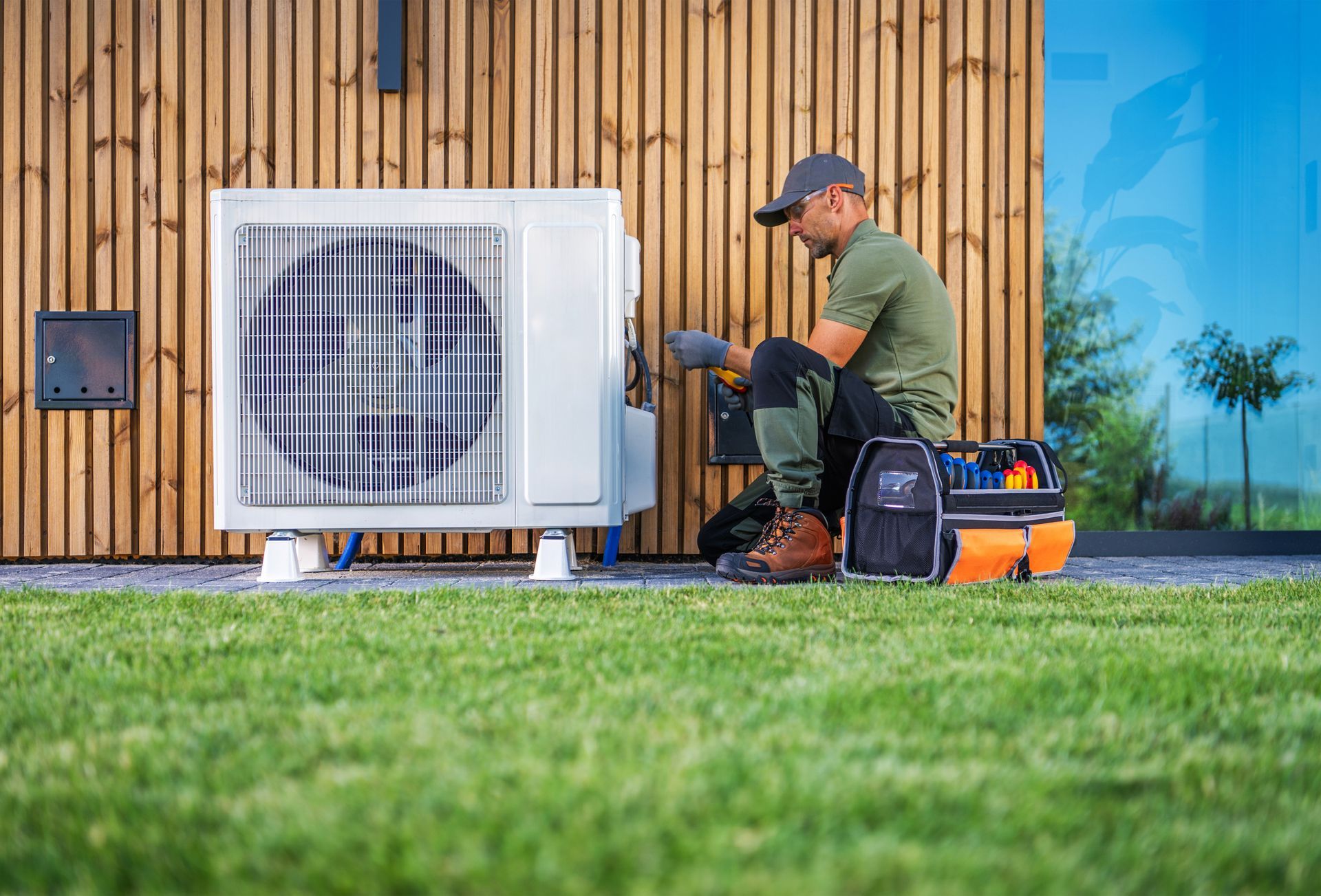
A trained technician can measure temperatures and airflow in different rooms, inspect the duct system, and evaluate how the equipment performs under normal operating conditions. These findings show whether the issue comes from air distribution, the HVAC system itself, or heat entering through the home’s structure.
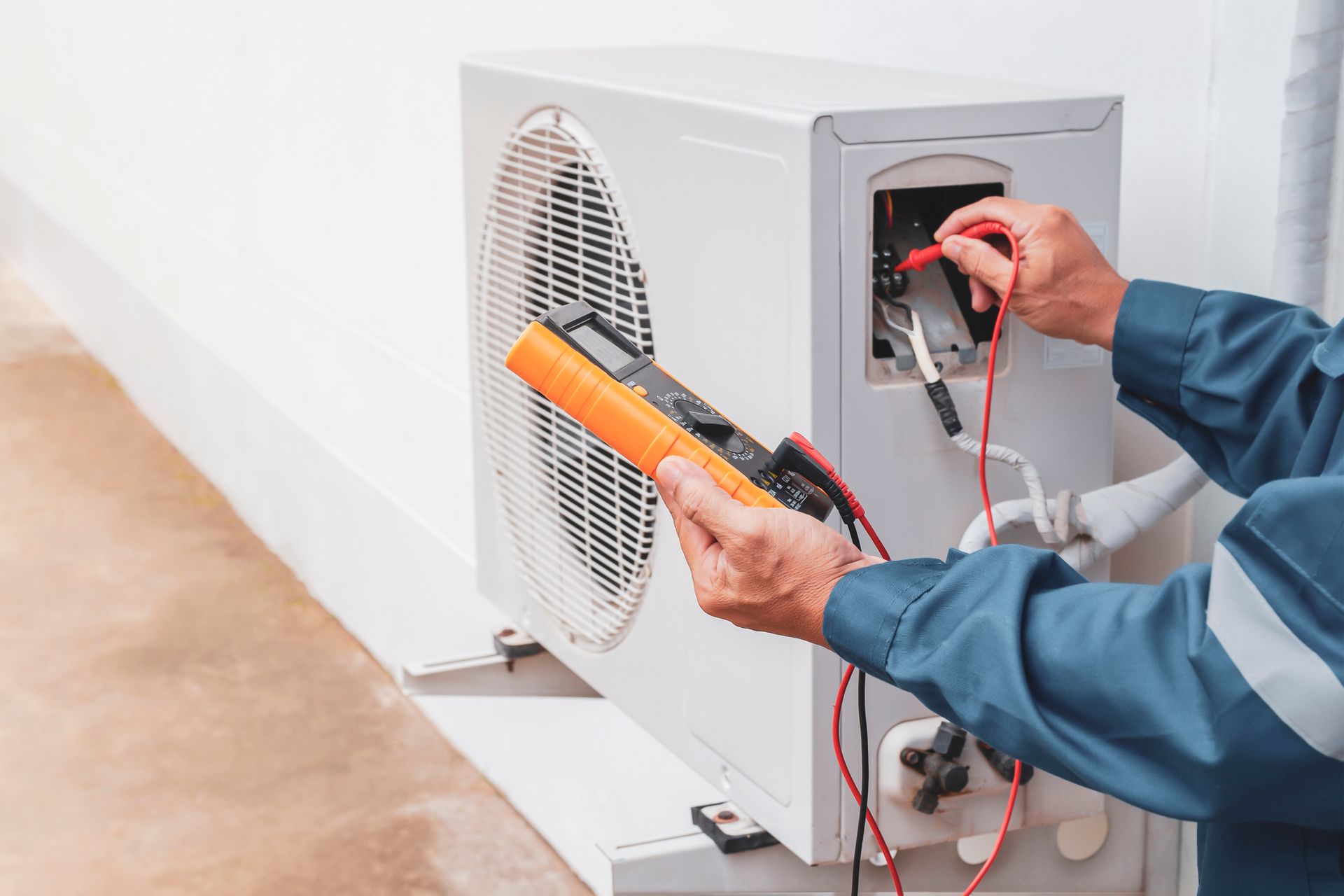
The inspection may include checking static pressure, which indicates how difficult it is for the blower to move air through the ductwork. Excessive pressure can point to a restrictive filter, undersized ducts, blocked returns, or another airflow problem. The technician can also look for disconnected, crushed, or leaking ducts that allow conditioned air to escape before it reaches upstairs rooms.
Improve Air Distribution Between Floors
Air balancing can help direct the proper amount of conditioned air to each part of the home. A technician may adjust existing dampers, assess supply register performance, or recommend duct modifications when certain rooms receive too little airflow. Return-air pathways also deserve attention because cooled air must circulate back to the system efficiently.
Homeowners researching how to fix uneven cooling in a two-story Whittier home may hear about zoning as another option. A zoned system uses separate thermostats and motorized dampers to control different areas independently. This arrangement can reduce the tendency to overcool the first floor while waiting for upstairs bedrooms to become comfortable.
Zoning must be designed around the HVAC system’s airflow requirements. Poorly planned dampers can create excess pressure and strain the equipment, so installation should be handled by an experienced HVAC technician.
Check the Attic, Insulation, and Air Sealing
The HVAC system may operate correctly while the second floor gains heat faster than it can be removed. Insufficient attic insulation, gaps around penetrations, and leaky access panels can allow heat to move into upstairs living spaces. Rooms beneath poorly protected attic areas are often affected most during sunny afternoons.
A professional energy assessment can help identify where heat enters the building envelope. Coordinating insulation or air-sealing improvements with HVAC service may reduce the cooling load and help the system maintain steadier temperatures. This approach can also improve comfort without forcing the air conditioner to run longer than necessary.
Consider Thermostat and Equipment Factors
Thermostat location matters in a multi-level home. A thermostat near a cool supply register, shaded hallway, or downstairs living area may not reflect conditions upstairs. Relocating the thermostat or adding compatible remote sensors can provide the system with better temperature information.
Equipment performance also shapes the solution. A dirty indoor coil, weak blower motor, refrigerant issue, or aging air conditioner can reduce cooling capacity and airflow. In other cases, oversized equipment may cool the downstairs quickly and shut off before air circulates evenly throughout the house.
Replacement is sometimes appropriate, especially when the system is old, unreliable, or poorly matched to the home. A load calculation should guide equipment sizing rather than relying only on the capacity of the existing unit.
Schedule a Whole-System Evaluation
The best solution depends on why the temperature difference occurs. For some homes, duct repairs and air balancing may be enough. Others may benefit from zoning, thermostat changes, building-envelope improvements, or updated HVAC equipment.
At GreenLeaf Heating & Cooling, our technicians evaluate the full comfort system to determine how to fix uneven cooling in a two-story Whittier home. We fix it right the first time by identifying the cause and recommending practical options for the property. Contact us today to schedule service and create more consistent comfort on both floors.